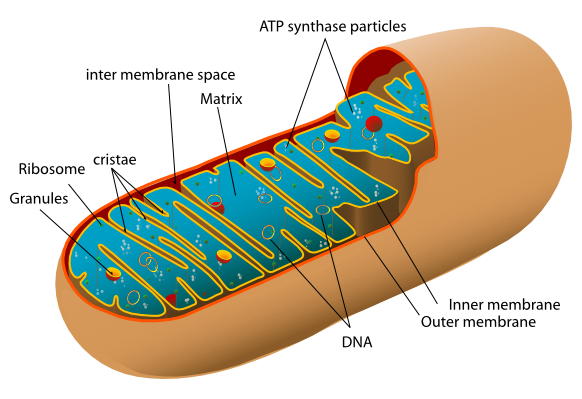
Mitochondria are dynamic organelles that not only produce cellular energy (ATP) through oxidative phosphorylation but also play critical roles in regulating cell signaling, metabolism, immunity, and programmed cell death (apoptosis). They constantly adapt through fusion, fission, and interaction with other cellular systems, making them central hubs for maintaining cellular health and responding to stress.

Mitochondria are unique because they have their own DNA, known as mitochondrial DNA (mtDNA), which is inherited exclusively from the mother. This maternal inheritance creates a direct genetic line through generations and has been vital for studying ancestry and human evolution. Mitochondrial DNA contains 37 genes, which are essential not only for producing energy through oxidative phosphorylation, but also for supporting critical cellular functions such as regulating metabolism, calcium balance, and cell signaling. These genes help ensure that cells—especially in organs with high energy demands like the brain and muscles—operate efficiently and adapt to changing conditions.